


On-Demand Solutions for Restaurants in 2026
Learn how restaurants can cope with unpredictable staffing needs, high staff turnover, seasonal spikes, and last-minute call-outs with on-demand solutions.
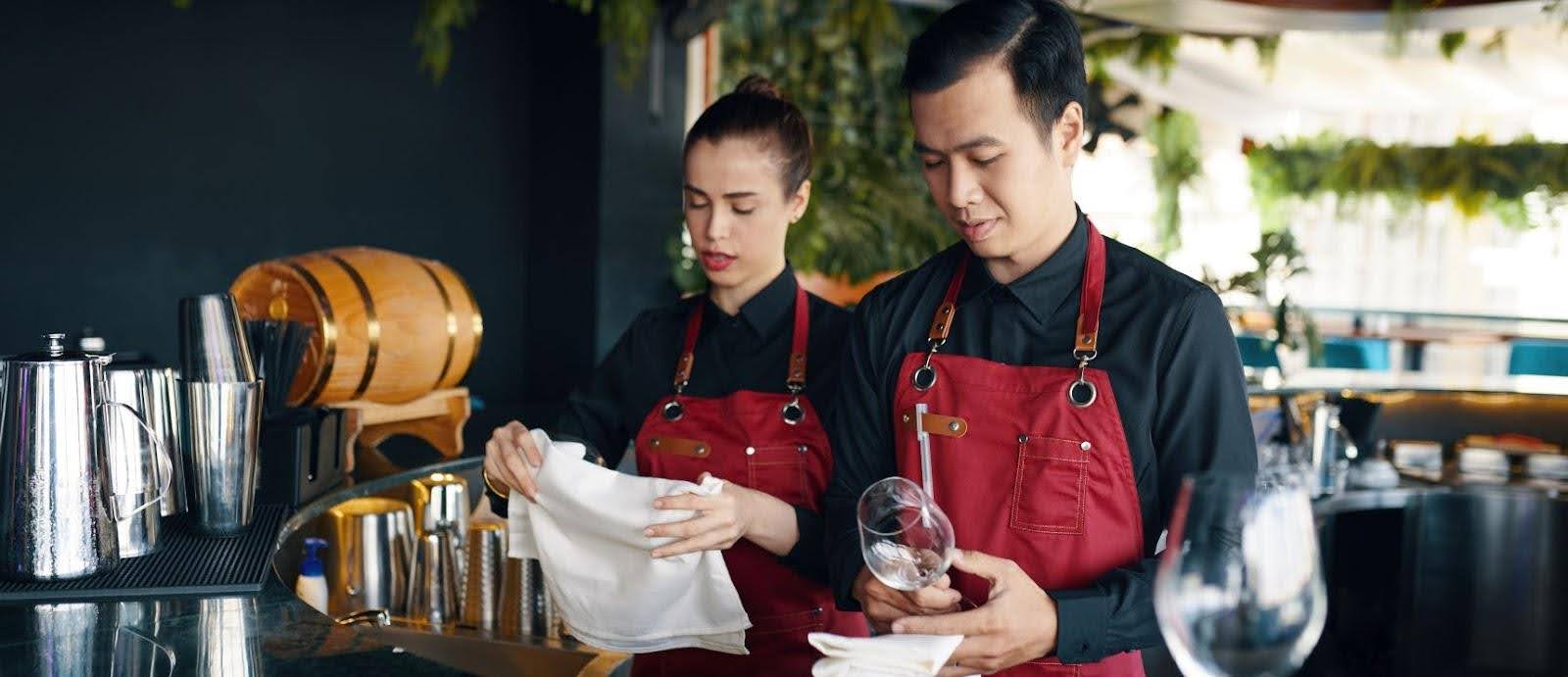
According to a recent 2025 Food & Beverage Report, “Over 85% [of restaurant owners] say labor issues are affecting operations today.” Finding good staff who want to stay has been a continuous challenge since before the pandemic, and it’s not getting any easier for restaurants.
On-demand staffing is one of the most effective ways to solve these staffing challenges. You can quickly and easily hire vetted, qualified, experienced staff for any position you need without having to increase headcount permanently.
In this article, we explain what on-demand staffing is, how restaurants can use it effectively, and how to evaluate providers.
Key Takeaways
- On-demand staffing is a practical, modern solution that restaurants everywhere are adopting to fix their staffing challenges.
- On-demand staffing gives restaurants real flexibility. You can scale your team up for peaks, events, and call-outs, and back down during slower periods, without committing to long-term contracts or extra full-time hires.
- shiftNOW is an example of a reliable platform that connects restaurants with vetted, local hospitality workers who can fulfill this on-demand need.
How On-Demand Staffing Works in Practice
On-demand staffing works as simply as booking an Uber or Airbnb. The main steps for hiring on-demand staff in the hospitality industry are:
- Signing up for a platform
- Fast, streamlined business verification
- Create a post or series of posts advertising the temp jobs you need to fill
- Connect with on-demand staff (try to plan in advance so you’ve got a wider selection of staff for your restaurant or event)
- Shortlist and message to check if the staff you want are available
- Book that team member or group of staff in for the shift or shifts you need them
- They turn up and work those shift(s)
- Payout is instant after the shift to attract in-demand workers when you need them.
There are many roles you can fill with on-demand staff, including but not limited to:
- Hosts
- Servers
- Bartenders
- Dishwashers
- Line cooks
- Event staff
- Chef
- Sous chef
- Assistant chef
- Front of House (FoH) managers
- Kitchen staff
- Cleaner
And many others.
The great thing about using on-demand staff is that restaurants often blend on-demand staff with their core team. Very few restaurants use 100% on-demand staff. But with both teams working together, this maintains consistency and service standards that guests expect.
One of the reasons that shiftNOW’s approach is such a good fit for restaurants is that workers are vetted, rated, and re-invitable for future shifts. All of this helps build a semi-consistent bench of support when demand increases, which is especially useful at this time of year.
Now, let’s look at the criteria you can use to evaluate on-demand staffing platforms.
Key Criteria to Evaluate On-Demand Staffing Platforms
Strength and Quality of the Talent Pool
Any successful on-demand staffing platform, and the restaurants that trust it, depend on the caliber of workers available. For restaurants, where customer experience directly impacts reputation and revenue, access to hospitality-trained professionals is essential.
A hospitality-specific talent pool means workers already understand the pace, terminology, and unwritten rules of restaurant service: how to handle a rush, read a ticket, communicate with kitchen staff, and maintain composure under pressure.
Platforms that vet workers specifically for restaurant roles reduce the training burden on operators and minimize the risk of no-shows or poor performance.
Speed and Flexibility
"Real-time staffing" means shifts are instantly visible to qualified workers the moment they're posted, with push notifications alerting available temp and flexi staff immediately.
Several factors affect fill speed: shift pay rates relative to the local market, shift timing (weekend dinner shifts fill faster than Tuesday lunch), role complexity, venue reputation among workers, and seasonal demand patterns.
Platforms with larger worker bases and intelligent matching algorithms that proactively suggest shifts to workers based on their skills, location, and availability consistently outperform in speed.
With mobile posting and real-time notifications, shift and resolve urgent staffing issues.
Cost Transparency and ROI
- How different platforms price their services (marketplace fee, hourly markup, subscription, etc.).
- How on-demand staffing compares financially to job boards, agencies, or overtime reliance.
- Hidden-cost considerations operators often overlook.
Fit with Restaurant Operations
Your on-demand staffing platform shouldn't exist in isolation. It needs to integrate smoothly with your operational ecosystem:
- Does your on-demand staffing platform data flow into your existing scheduling software (HotSchedules, 7shifts, When I Work, Homebase)?
- Seamless integration prevents double-entry, reduces errors, and gives managers a unified view of all scheduled staff.
- Other features, such as built-in messaging, shift notes, worker favorites lists, and simple check-in/out, also make hiring on-demand staff much easier.
- The right platforms also make it easier to maintain the standards that your restaurant is known for, including on-site instructions, dress code, expectations, and orientation messages.
Comparison Overview: How Popular Options Differ
When it comes to hiring on-demand staff, there are several choices:
- Generalized gig apps, like Upwork and TaskRabbit.
- Hospitality-specific platforms, like shiftNOW.
- And in most cities, states, and metro areas, there are also traditional staffing agencies. Jobs boards like Indeed can also be used to find temp staff.
Generalized gig apps have millions of users everywhere. They’re active in most countries, states, and metro areas. There’s a good chance you can find anyone to do almost anything on a platform like that.
Staffing agencies still fill a need, too, and some restaurants and event companies rely on them for short-term staffing.
However, the middle option is a stronger operational fit for restaurants and bars. This is because shiftNOW is regional, specializing in hospitality, restaurants, bars, and events. You’re only going to find vetted, qualified temp workers with experience in this sector, making it better for restaurants that specifically need on-demand staff.
For example, shiftNOW uses video profile hiring and the temp-to-hire approach to ensure workers have relevant hospitality industry experience.
Key features to look for from an on-demand staffing solution for restaurants include:
- A user-friendly interface
- A robust vetting process
- Instant payouts to attract quality workers
- Comprehensive reviews and ratings
- Flexible payment options
Best Practices for Using On-Demand Staffing Successfully
The difference between a shift that fills in twenty minutes with top talent versus one that sits empty for hours often comes down to how it's presented. Effective shift descriptions balance essential information with motivating details.
Start with the basics that temp workers will need to make informed decisions:
- Exact role requirements
- Precise start and end times
- Accurate break policy
- Specific uniform requirements
- Parking instructions (or the location of the nearest bus stop).
Then add context that helps workers envision the experience: mention if it's a special event, describe your venue's atmosphere, note the expected pace, and highlight what makes the shift appealing: whether that's working with a great team, gaining experience with a new cuisine, or being part of an exciting service.
Clarity eliminates uncertainty, which is the primary reason workers skip shifts they've accepted. Be specific, like the following example:
"Fine dining server for Saturday dinner service (5 pm-11 pm). Upscale Italian restaurant, 60-seat dining room, 4-table section. Black button-down shirt, black slacks, non-slip shoes required. Experience with wine service preferred. Pre-shift meeting at 4:45 pm. Please arrive early. Park in the rear lot, enter through the kitchen door."
Giving temp workers clear instructions improves reliability and the guest experience. This way, you can build a roster of “favorites” or repeat workers for consistency.
When you find reliable on-demand staff, it becomes even easier to align them with your in-house team. Maintaining service quality is more important now than ever for restaurants, and having temp staff you can trust to work without needing to be micro-managed is very helpful for the smooth running of a restaurant.
As part of this, you may employ smart wage strategies to ensure strong applicant pools. In this economy, skilled staff know their value. If you’re struggling to find staff and know you’re going to be busy, paying above the market rate will help you find and retain reliable on-demand staff.
Common Pitfalls and How to Avoid Them
Even with the best staffing solutions, people, and platforms, there are always common pitfalls we recommend you avoid. These include the following:
- Over-reliance on on-demand staff without maintaining a reliable core team. Every restaurant and hospitality business needs a reliable core team. Friendly faces that your customers know and trust, especially your regulars. There are also the most reliable people for training any temp staff and making sure they know how your business really works and how to keep customers happy.
- Posting shifts too late with unclear expectations. If you want temp staff to want to take your temp shifts, they’ve got to sound appealing, with clear expectations, and not posted at the last minute. No one will accept the job if it’s an hour before it’s due to start, the wages are too low, and the expectations are unclear. It’s that simple. Now more than ever, flexible staff expect to be treated with a certain amount of respect. Do well on your part to provide that, and you’ll be rewarded with skilled staff who deliver when you need them.
- Setting wages below market rates and receiving low-quality applicants. It’s a case of getting what you pay for. Pay low rates, and you get staff who don’t meet the standards you need. Why? Because they aren’t being paid enough to care, and because it’s a temp gig, they might not care about coming back.
- Failing to build consistency through repeat workers. Want someone great to come back and do more shifts? Tell them, and set clear expectations so they know they can rely on your restaurant for steady, reliable employment. This is also better for your brand and customer service dining experience.
- Not integrating on-demand staff into the restaurant’s culture and service standards. This is absolutely crucial. If you want your customers to have the same high-quality experience, whether they’re served by a temp or a full-time member of staff, you need to integrate on-demand staff into the restaurant’s culture and service standards.
Final Words
Restaurant owners and operators need to remember that on-demand staffing is a tool, not a replacement, for better workforce stability. Don’t become over-reliant on temp or on-demand staff because there’s a chance they won’t be there when you need them.
A lot of on-demand staff are looking for permanent roles, so don’t hesitate to hire someone full-time if it’s a mutual good fit. That would definitely help you solve a long-term staffing problem, especially as many restaurants find there are many talented hospitality professionals looking for work.
One of the best ways to test the on-demand model and evaluate a platform is to test one or more on a single shift. Use this to test:
- The quality of the on-demand restaurant workers through different platforms
- What each platform is like to use
- The costs associated with each platform
If you want to solve staffing problems with an on-demand solution, shiftNOW is a regional, hospitality-focused platform worth exploring.
Ready to get started? Request a demo with shiftNOW today. shiftNOW has you covered when you need temporary staff.
Frequently Asked Questions (FAQs)
How fast can I expect a shift to fill?
Depending on the availability of on-demand restaurant staff in your area, including the specific role(s) you need to fill, you could have someone covering a shift within a very compressed timeline, as little as same-day. Plan a bit further in advance to avoid disappointment.
What roles can on-demand workers cover?
On-demand restaurant staff can fill almost any position you need:
- Waiters/waitresses
- Bar staff
- Chef, sous chef, assistant chef
- Front of House (FoH)
- Back of House (BoH)
- Kitchen staff
- Cleaner
- And numerous others
How much should restaurants pay on-demand workers?
On-demand staff often aren’t more expensive than full-time staff once you factor in benefits, taxes, and the cost of carrying extra labor during slow periods.
How do I maintain consistency with on-demand staff?
When you hire skilled, experienced on-demand staff, they should quickly get up to speed with your service standards and processes. Have standard operating procedures (SOPs) or basic training for managers to provide, and then let them get to work.


.png)


