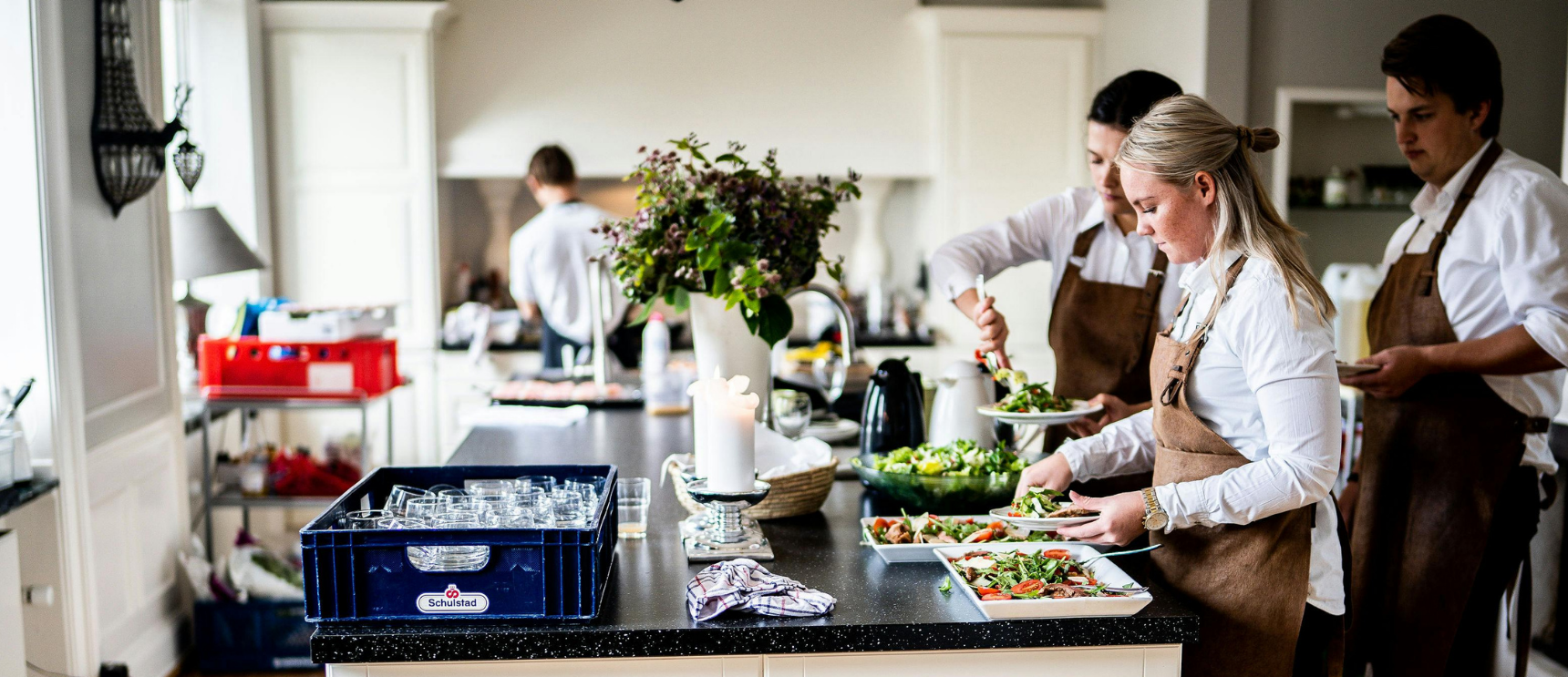
Event Staffing Plan: How Far Ahead to Staff an Event
How far ahead should you staff an event? Use this simple event staffing timeline and ratios to lock in leads 6–8 weeks out, prevent no-shows, fill last-minute gaps, and protect service quality.
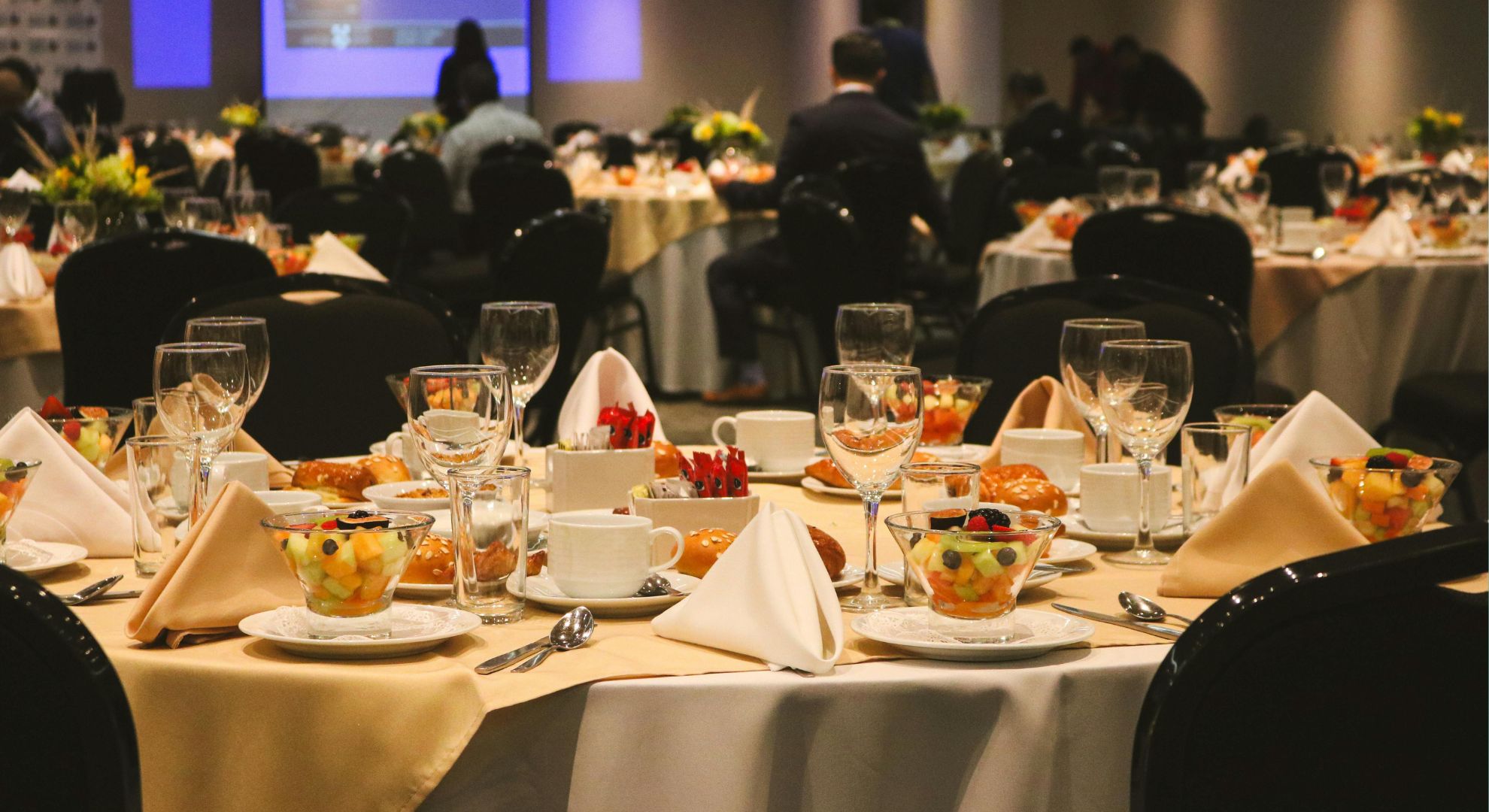
Your event failed. But not for the reasons people might think.
Someone may guess that you ran out of food.
But no. You ran out of people. When the time came, and the guests arrived, you simply did not have enough staff to keep the event running smoothly.
It happens to the best of us. But it doesn’t have to.
Here’s a simple event staffing timeline to help you know exactly when to start lining up your employees. You’ll avoid having to deal with last-minute gaps, and you’ll protect your quality of service.
Key Takeaways
- Start early for complex events: Begin staffing 6 to 8 weeks out by locking in your leads first (event captain, bar lead, BOH lead), then build the rest of the team.
- Use a backward plan to prevent gaps: Confirm primary roles at 3 to 4 weeks, finalize stations at 1 to 2 weeks, then run a 48 to 72 hour reconfirmation to prevent no-shows.
- Staff by service style, not guesses: Use baseline ratios (and adjust for drink complexity, venue layout, and “high-touch” expectations) so you don’t bottleneck the bar, floor, or kitchen.
How far in advance should you staff an event?
First and foremost, how far in advance do you need to start figuring out your staffing for an event?
The simple answer is this: the more guests you plan to have in attendance, and the more complex the event will be, the more staff you’ll need. This means you’ll need to start locking in roles and filling them with your best people a couple of months in advance.
As a practical rule, secure your leaders first. These are the people you know you can count on, who will help guide and mentor your other workers. Next, build your bench. These are your backups, the ones you can call in if someone else calls in sick. Finally, you can finalize your headcount as the day approaches.
Of course, you want to be flexible. Leave room for making changes, in case you need to make last-minute additions or swaps. But don’t leave your critical roles unassigned until the last week.
Define the event scope before you hire
Before you start filling roles, create a plan for the event. You have a few things to figure out first. Then, you’ll know exactly which roles you’ll need, how many of each, and you can start picking out your strongest leads.
Here’s what you need to know before you can start staffing:
- How many guests will you expect and what will be the style of service will be. You might have anything from buffet to plated, specialty cocktails, or an open bar. This will help you determine how many stations you’ll have.
- The layout of the venue, how many bars you’ll need, and what your kitchen setup will look like. How will you load in food, and what will it take to break everything down at the end of the night? This information gives you a sense of how many bodies you’ll need and how long shifts will be.
- The event timeline. How long will the setup take? What are your service windows for various drinks and plates? What peak rush moments can you expect? How long will teardown/breakdown take? You can stagger employees across different stations so everyone isn't rushing in and out at once. You’ll also be able to set expectations for your staff ahead of time.
- The standards you’ll set. Your staff will need to know about the dress code, the level of etiquette, and whether they will be using POS and/or handling cash. This will help you choose from among your most professional staff and let them know what they’ll need to wear and how to behave.
The event staffing timeline (backward plan)
So, for your most complex events, you’ll get started with staffing at the two-month mark and work yourself forward to the event from there.
Here’s your basic timeline:
- 6–8 weeks out: Once you’ve locked in your core plan, choose your key leads and get them on board. Make sure to set expectations in advance.
- 3–4 weeks out: At the one-month mark, start securing staff for your primary roles, and confirm backups from your bench. That way, you won’t have to worry about finding someone at the last minute in case of call-outs.
- 1–2 weeks out: As the event approaches, get a final staff headcount and assign each of your staff members to their stations. Check in with everyone involved, via email or a quick staff meeting, so you can be sure everyone is on the same page.
- 48–72 hours out: Days before the event, get confirmation from every staff member that they plan to arrive on time and ready to work. Share any check-in details, and if you do have any gaps, get them filled fast with a last-minute staffing app like shiftNOW.
- Day of: Before the shift, hold a quick briefing to get everyone engaged. Double-check station assignments, so everyone knows where to go. And hand out your escalation plan in case anything goes wrong.
This timeline helps you stay in proactive mode, where you can perform damage control in advance of any issues.
Role planning: what to staff first
When building your crew for an event, work in order of priority. Which positions are most important? Which roles are more flexible? Which ones are most stressful? From there, you can start deciding who to bring in to fill those roles.
- Event captain or floor lead: These employees will run the service and be your go-to problem solvers. Staff this position first.
- Bar lead and bartenders: Your bartenders will have a significant impact on guest flow and customer satisfaction. If they get good drinks fast, they’re more likely to be happy with whatever comes next. Staff these positions second.
- Back-of-house lead or kitchen point person: Like your event captain, your BOH lead will monitor timing, keep the kitchen in pace, and ensure food is replenished as needed.
- Setup and breakdown crew: These staff members are often underestimated, but they’re essential. You need strong people to come in early, ensure food, beverages, garnishes, plates, glasses, and more are ready and where they should be. Likewise, breaking down can be a huge pain if you don’t have the right people who are fast and efficient.
- Runners and bussers: These staff members are your first line of defense with your customers. You need people who can be quick, clean, and friendly all at the same time. This will also likely be the majority of your staff, so they should get along well with others.
How many staff do you need (simple planning ratios)
Staffing needs vary based on drink complexity, service style, venue layout, and the level of “high-touch” at the event. Use these baseline ranges, then add coverage if you expect heavy rushes or specialty cocktails.
Cocktail reception (beer/wine + cocktails)
- Bartenders: plan for about 1 bartender per 50–75 guests (closer to 50 if the drink menu is complex or the bar setup is tight).
- Barbacks: plan for about 1 barback per ~100 guests when you have multiple bartenders or high volume.
- Passed appetizers: plan for roughly 1 server/runner per 20–25 guests, depending on how many items you’re passing and how spread out the venue is.
Buffet service
- You can typically staff fewer servers than in plated service, but add coverage for replenishment, beverage service, and clearing tables (especially during peak waves).
Plated service
- Servers: plan for roughly 1 server per 8–10 guests for many plated events, then adjust based on course complexity and service standards.
- Add captain coverage for timing and coordination when you have multiple courses or synchronized service.
Where on-demand event staff fit best
Gone are the days of having to manage staffing on your own, by wading through piles of applications and trusting your gut. Now you can use an on-demand platform to get the staff you need, when you need them.
Here’s when it’s best to use on-demand event staff:
- When the headcount is uncertain. This is probably the most obvious and most frequent use of on-demand staffing. You’re not sure how many people you’ll need, so you create an account and start creating a bench of staff members who can cover your events when you’re short.
- To fill last-minute call-outs and schedule gaps. When one or more of your expected staff members can’t make it, on-demand staff shows up, and you don’t have to scramble.
- When you need role-ready staff for specific stations. You won’t always have time to train people in advance, and you might not have enough pre-trained people on hand. That’s when on-demand staffing shines. You can get experienced, pre-vetted banquet servers, bartenders, runners, and more to help with your event.
- When you want to rebook proven workers to build an event bench for recurring clients. If you’ve already worked with the on-demand staff before, but you don’t need permanent staff, you’ll keep those workers on your bench as backups. You both already know you like working together, so the people on your bench will be more likely to show up on short notice when you need them.
Posting and screening event staff quickly
If you need to pull together staffing for an event quickly, there’s a strategy you can use to get it done. Be methodical, be clear, and set expectations, and you’ll have your event fully staffed in a matter of days.
Here’s what to do with your on-demand app:
- Write shifts with specific duties and the skill level you require (banquet service vs bar service).
- When you get interested applicants, confirm with them the event start time, uniform policy, break policy, and end-time expectations.
- To help you choose your staff, use whatever quality signals are available. These might be ratings, reliability, or experience in the role.
- Message your chosen candidates with entry instructions and their first responsibilities when they walk through the door.
Event day success checklist (manager-friendly)
To get the most out of your staff at every event, keep this checklist with you at all times. Then, run through it before every shift.
- 10-minute pre-shift briefing: Gather your staff to remind them of the timeline, their stations, and your service standards.
- Assign one point of contact per area (floor, bar, BOH). This person should be one of your responsible leads.
- Micro onboarding: Refresh with anyone new on the venue flow, tray service basics, and guest recovery rules.
- Contingency plan: To ensure you never run short, so guest service never suffers, assign one floater who can fill in where they’re needed. Also, make sure all of your staff members understand a clear escalation path in case something goes wrong.
Common event staffing mistakes
Of course, you’re going to make mistakes. Everyone does. Which is exactly how we have a list of the most common mistakes we’ve seen others make in the past. So you can learn from them and, ideally, not make them yourself.
- Don’t understaff the setup and breakdown. A poor setup will have your whole crew scrambling all shift. Poor breakdown means excessive overtime.
- Don’t forget to staff floaters for surprises. Things happen, employees get backed up or, worse, injured or sick on the job. A floater will keep things running smoothly.
- Don’t hire too late and rely on overtime. This is a recipe for disaster. You’ll end up with disgruntled staffers and guests who notice.
- Don’t post vague job descriptions. They’ll attract wrong-fit workers, and you’ll be sorry you brought them onboard.
- Don’t forget to have a confirmation process 48 hours before the event. Even the most loyal and responsible staff member can forget something you coordinated weeks ago.
Closing
In the end, the best event staffing plan is early, structured, and flexible. When you’re prepared for anything, anything rarely happens. It seems that only when you’re not expecting trouble does it come in waves.
So take a proactive approach with your event staffing, and even if those waves do come, you and your staff can ride them with grace.
To get the most out of your proactive approach, lock in your leads first, build a strong bench, and keep an on-demand backup option for last-minute changes.
Ready to get started with your on-demand staffing application? Book a demo with shiftNOW today, and you’ll be more than prepared for your next event.
FAQs
How many staff do I need for an event of 100, 200, or 500 guests?
The number of staff members you’ll need for an event depends on its complexity. A good rule of thumb is 1 bartender per 50 guests, 1 server per 8-15 guests, and 1 barback per 100 guests. From there, you’ll need to add bussers, cooks, prep staff, and breakdown staff. Plus, consider adding a floater to perform tasks when others are behind.
When should I hire bartenders vs. banquet servers?
You’ll want to hire bartenders if the cocktails will be complex and you’ll have a full bar. A banquet server can serve beer and wine.
What is the best way to cover last-minute event call-outs?
To cover last-minute call-outs, you’ll want to have an account with an on-demand staffing app like shiftNOW. That way, you can get last-minute coverage truly last-minute, with staff members who are pre-screened and experienced in their roles.
How do I build a repeat roster for recurring events?
Your repeat roster, or bench, will come from previous staff members that you’ve worked with. Make notes of their skills, their customer service, and their roles. You should start building that now, if you haven’t already. Then, you can call on them when you need them.